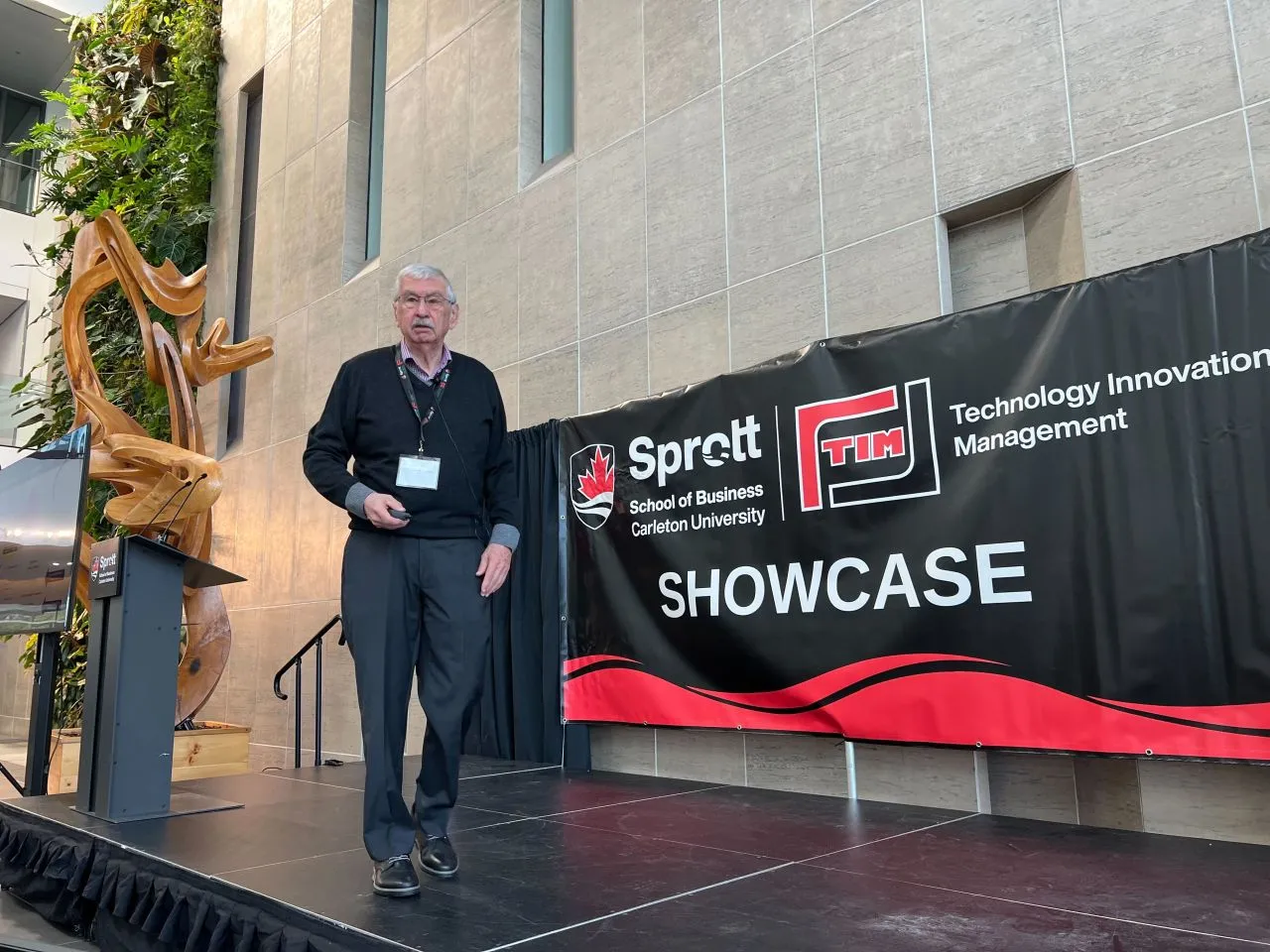
“Once the socket’s been awarded, do you think you have any hope?”
When a designer selects a component, that choice can shape procurement’s negotiating leverage before price talks begin.
Read the transcript
So let’s take a look at the lifecycle of an electronic product. And this could be a server for one of these big AI data centers. It could be a control system for the military. And what you see, you go from design all the way through obsolescence, and you go through a curve of ramping volume.
It begins with technology development, which takes about one to three years. You then have manufacturing and prototyping, which is between two and 20 years. And then you have to worry about obsolescence and warranty.
You also have to worry about the supply base design, not just the product design, because all of the hard-to-get, single-source, and expensive components are chosen at that architectural stage.
But what actually happens in real life in most companies? What happens is that procurement doesn’t get involved until the NPI stage, when all the big decisions have been made.
Do you think you’ve got any leverage at all if a designer has told a supplier that they’ve chosen him for that product, and then procurement comes in later and tries to negotiate price? Once the socket’s been awarded, do you think you have any hope?
Technology Innovation Management Showcase Carleton University · Sprott School of Business
THE CONVERSATIONS THAT MATTER
Speaking topics
Ken’s talks explore how leaders build more adaptive, resilient, and intelligent organizations. Topics can be tailored to the audience, industry, and event objectives.
01
Building the Adaptive Enterprise
The organizations that thrive through disruption aren’t necessarily the biggest or best resourced. They are designed to adapt.
Ken explores how leaders can rethink supply chains, decision-making processes, and organizational assumptions to respond faster when markets, technology, and geopolitical conditions change.
A supply base isn’t simply a collection of suppliers. It is a strategic system — and the decisions made when that system is designed determine cost, resilience, flexibility, and negotiating power.
Ken shares practical principles for building supply networks that create more options, stronger information, and greater leverage.
Ideal for: Procurement, supply chain, operations, and engineering audiences
03
Procurement in the Age of AI
AI will change procurement — but not simply by automating today’s processes.
Ken explores what happens when procurement teams gain dramatically better access to market intelligence, benchmarks, alternatives, and decision support — and what organizations must change to take advantage of it.